Repetitive strain injuries can sideline your career and steal the joy from your hobbies, turning the activities you love into a source of chronic pain. We offer advanced treatments designed to restore pain-free function and get you back to doing what you love.
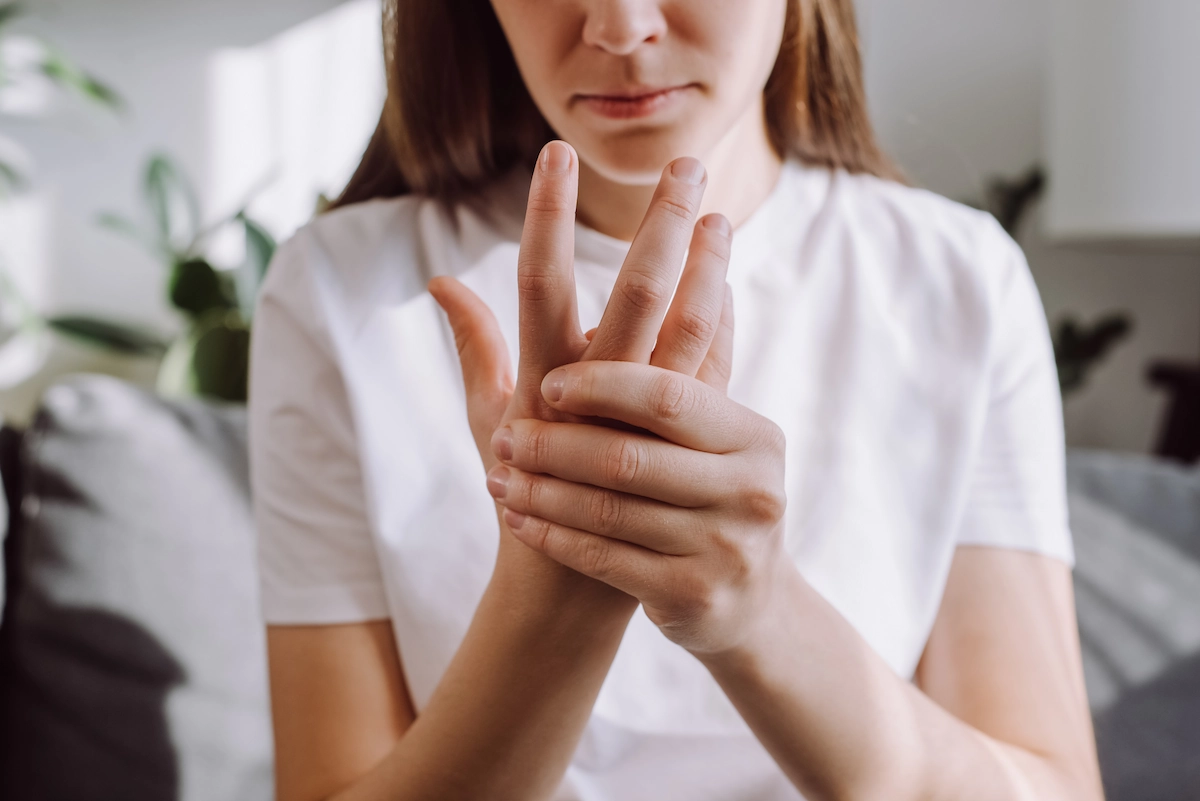
Repetitive strain injuries can sideline your career and steal the joy from your hobbies, turning the activities you love into a source of chronic pain. We offer advanced treatments designed to restore pain-free function and get you back to doing what you love.
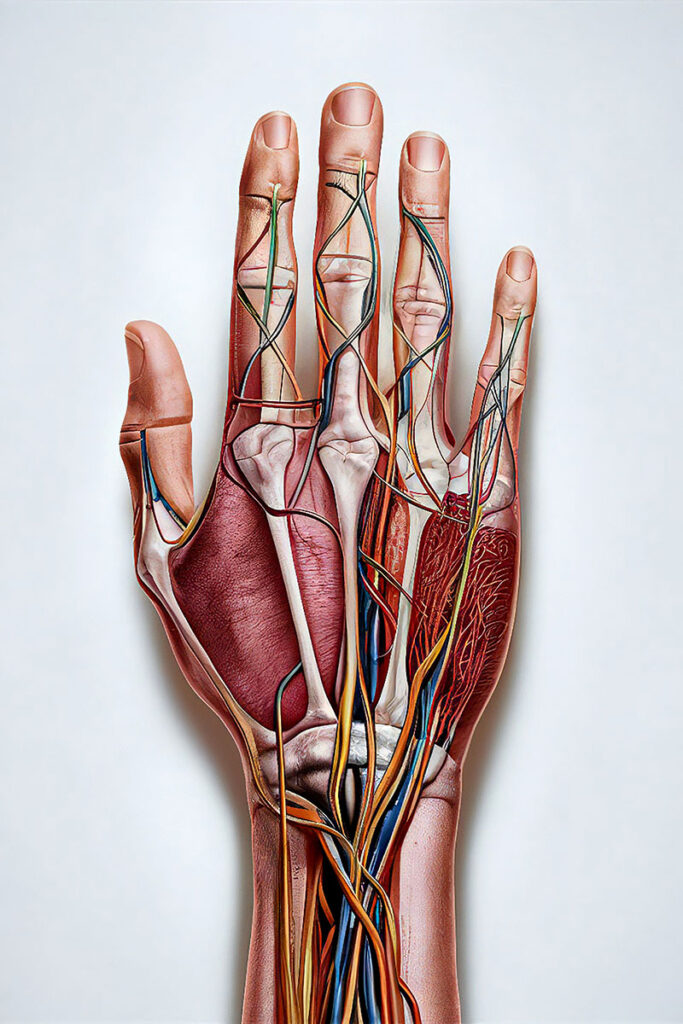
A Repetitive Strain Injury (RSI) is not a single condition, but rather a term for pain and dysfunction in the muscles, nerves, and tendons caused by overuse and repetitive movement. These injuries often develop gradually and can significantly impact your ability to perform tasks that require fine motor skills. RSIs are common among dedicated professionals and artists, including:
Trigger Finger (or stenosing tenosynovitis) is a common condition where inflammation narrows the space within the sheath that surrounds the tendon in the affected finger. As a result, the tendon can catch or “trigger,” causing the finger to lock in a bent position.
Common Symptoms Include:
De Quervain’s Tenosynovitis is a painful condition that affects the tendons on the thumb side of your wrist. Chronic overuse can cause irritation and swelling of these tendons and their sheath, leading to pain when you turn your wrist, grasp anything, or make a fist.
Common Symptoms Include:
Overuse conditions that appear in the hand and wrist can often be the first outward sign we see of an internal medical problem. Diabetes, low thyroid function, and autoimmune diseases such as lupus and rheumatoid arthritis can all present firstly in the delicate structures of the hand and wrist. Other known causes include some cancer treatment drugs (like aromatase inhibitors for breast cancer treatment) and even undiagnosed infections or kidney disease can cause these conditions. Ruling out these other causes is very important before just assuming the condition is from using something like a keyboard.
A comprehensive assessment to accurately identify the source and any underlying causes of your pain and how it impacts your specific activities.
A collaborative strategy that explores all options, from non-surgical therapies to advanced surgical solutions, tailored to your goals.
Applying Harvard-level expertise to perform the least invasive, most effective procedure to resolve your condition.
A focus on post-operative care and strategies to help you return to your activities with strength and reduce the risk of future injury.